Healing and care
Permanent Makeup Healing: A Realistic Timeline
Fresh pigment is not the final result. This guide explains the visible stages, what varies by service, and when a symptom needs medical attention.
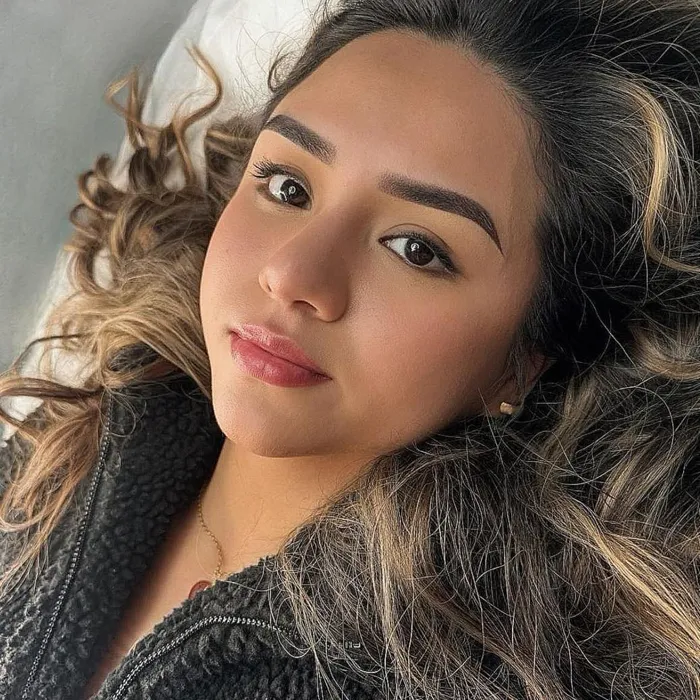
Permanent makeup does not move in a straight line from “fresh” to “finished.” Brows can look too dark, then dry, then unexpectedly pale. Lip color can appear bright, peel, and seem almost absent before it settles. These changes are why a photograph from day one cannot predict the healed result.
The dates below are planning ranges based on the services offered at our Gainesville studio. Your artist’s written instructions take priority because technique, skin, health history, and the treated area change the process.
Before the appointment: plan for visible healing
Schedule permanent makeup when you can leave the area alone. Do not place the appointment immediately before a wedding, vacation, professional photo session, or event where you expect the result to look healed. Even an uncomplicated recovery can include temporary darkness, swelling, dryness, or flaking.
Tell the studio about previous cosmetic tattooing and relevant skin or health concerns before the appointment. For Lip Blush, disclose a history of cold sores and ask your healthcare provider what medical guidance is appropriate. The studio does not prescribe medication or clear medical conditions.
Review the service itself before relying on a general timeline. Microblading heals as separate strokes, Ombré Brows as shading, and Lip Blush on more mobile, vascular tissue. They will not look identical while recovering.
Days 1 to 3: darker, sharper, or brighter than expected
Fresh brow pigment usually appears darker and more defined than the intended healed color. The outline can look sharper because the skin has not settled. Lip Blush can appear substantially brighter, with temporary tenderness or swelling.
Follow only the cleaning and care instructions supplied for your procedure. More product is not automatically better. Do not add unapproved creams, exfoliants, makeup, or home remedies to “calm” the area. Avoid touching it with unwashed hands.
Mild redness, tenderness, and clear fluid can occur after tattooing. What matters is the direction: symptoms should not become progressively more painful, hot, widespread, or accompanied by pus or fever.
Days 4 to 10: dryness and flaking can change the shape
Light flaking may make a brow look patchy. Lip tissue may feel dry and peel. It can be tempting to pull a loose edge, especially when it seems to interrupt the color. Do not pick it. Removing skin early can irritate the area and interfere with pigment retention.
Continue the aftercare given by the artist. Keep skincare actives, makeup, and friction away from healing brows unless your instructions state otherwise. For lips, follow the specific hygiene guidance and avoid habits that repeatedly disturb the surface.
A calendar cannot tell you whether every visible change is normal. The American Academy of Dermatology advises medical evaluation when redness darkens or spreads instead of diminishing, pain continues or worsens, pus or open sores appear, or fever, chills, and shivering develop.
Weeks 2 to 4: the “too light” stage
After visible flakes leave, pigment may seem much lighter or uneven. This stage causes unnecessary panic. The surface can look healed before the color has finished settling. Avoid trying to correct a light spot with makeup that irritates the area or booking immediate additional pigment.
Cleveland Clinic notes that a Lip Blush result may take up to four weeks to become visible as a final result. Brows also need time before retention can be assessed fairly. The exact timing varies, so use the review period given by your artist rather than an internet deadline.
Continue gentle care and sun protection once the artist says the skin is ready. Sun exposure contributes to fading over time, but sunscreen should not be placed on an open or actively flaking area.
After initial healing: evaluate retention, not perfection from memory
Compare the healed result with clear photographs, not with how intense it looked on day one. Look at overall balance, color, gaps, and whether the shape still fits the approved design. Some uneven retention can be addressed at a refinement visit when the skin is ready.
Studios structure refinements differently. Confirm whether a refinement is recommended, included or separate, its timing, and its current price directly in the booking channel before paying.
A refinement is not an excuse to redraw the entire design. The artist should examine healed pigment and explain what can be improved. If substantial pigment remains, repeatedly adding more may not be appropriate.
Brows and lips do not follow the same visual cycle
Brow services often move from dark and crisp to dry, lighter, and then softer. Individual Microblading strokes can appear less distinct while the surface changes. Shaded brows may look temporarily uneven before the powder effect settles.
Lip Blush often has a stronger color swing. Fresh color is brighter than the target, peeling can make it look reduced, and the eventual tint is softer. Lip Blush does not add physical volume; temporary swelling should not be presented as the final shape.
Read our dedicated Lip Blush healing guide if you are planning that service. The general aftercare page remains the central place for studio care principles.
Know who to contact and for what
Contact the studio when you are unsure how to follow the written care, accidentally expose the area to a product, or need to discuss the timing of your healed review. Send clear photos in natural light and describe the day of healing.
Contact a healthcare professional for symptoms that suggest infection, a significant allergic reaction, or another medical problem. Trouble breathing, chest tightness, dizziness, intense swelling, serious pain, flushing, or hives require urgent medical attention, according to AAD guidance.
The safest timeline has room for uncertainty. Treat the dates as a map, follow the instructions for your procedure, and judge the cosmetic result only after the initial healing period is complete.
Sources consulted
Links reviewed for this edition. Medical and regulatory sources take precedence over general studio explanations.
Keep researching
Healing and care
How Long Does Permanent Makeup Last?
Permanent makeup fades, but it has no universal expiration date. Technique, skin, sun, skincare, color, and previous work all change the timeline.
Healing and care
Lip Blush Healing: Color Changes Week by Week
Lip color can look too bright, peel, and then seem too light before it settles. Knowing that sequence prevents premature judgments and unsafe picking.
PMU education
How to Choose a PMU Course in Georgia
A participation certificate is not permission to practice. Start with Georgia's requirements, then compare what you will actually learn, practice, receive, and pay.